
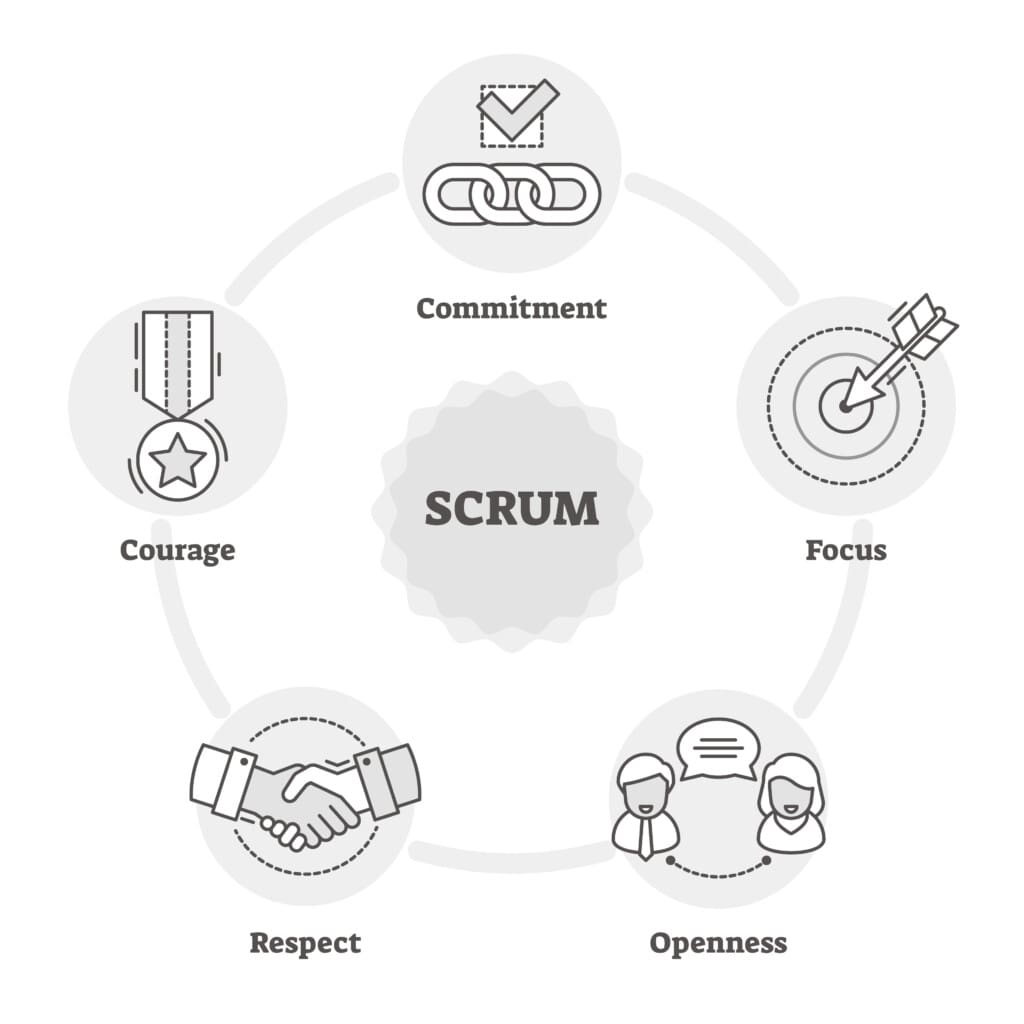
The Essence of Openness
Openness, as a core value of Scrum, emphasizes the importance of transparency and sharing information within the team and with stakeholders. It encourages individuals to express their opinions, ideas, concerns, and progress openly, creating an environment of trust and collaboration. Openness in Scrum enables effective decision-making, continuous improvement, and the ability to adapt quickly to changes.
Transparency and Trust
At the heart of openness lies transparency. In Scrum, transparency is achieved by making all information, such as project goals, progress, and impediments, visible to everyone involved. This promotes trust among team members and stakeholders, as it ensures that everyone has access to the same information, reducing misunderstandings and enabling better decision-making. Openness creates a safe space for individuals to share their thoughts, learn from each other, and work together towards shared objectives.
Effective Communication
Clear and open communication is vital for the success of any project. In Scrum, openness encourages frequent and honest communication among team members. It promotes active listening, empathy, and respect for diverse perspectives. Through open communication channels, such as daily stand-up meetings, sprint reviews, and retrospectives, team members can easily share updates, address challenges, and collectively find solutions. Openness allows for the identification of potential risks and bottlenecks early on, enabling the team to take timely corrective actions.
Adaptability and Continuous Improvement
Openness in Scrum goes beyond sharing information—it also fosters a culture of continuous improvement. Team members are encouraged to openly discuss what is working well and what can be improved. By embracing feedback and being receptive to ideas, the team can adapt and refine their processes, products, and interactions. Openness enables the team to learn from their mistakes, experiment with new approaches, and continuously evolve towards delivering higher value.
Openness Beyond the Team
While openness is crucial within the Scrum team, it also extends to external stakeholders, such as product owners, customers, and other teams. Open communication and transparency with these stakeholders build strong relationships based on trust and collaboration. By involving stakeholders in the decision-making process, addressing their concerns, and valuing their feedback, the team can align their goals and deliver products that meet their expectations.
Challenges and Benefits of Openness
Embracing openness in Scrum can present some challenges. It requires individuals to overcome fear of judgment, be vulnerable, and actively participate in discussions. However, the benefits of openness far outweigh the challenges. Openness promotes a culture of innovation, creativity, and continuous learning. It encourages accountability, as team members take ownership of their work and openly discuss progress and setbacks. It enhances problem-solving capabilities, as diverse perspectives and ideas are shared. Ultimately, openness in Scrum enables teams to deliver higher-quality products, improve customer satisfaction, and foster a positive work environment.
Openness, as one of the core values of Scrum, plays a pivotal role in creating successful and collaborative teams. By fostering transparency, effective communication, adaptability, and continuous improvement, openness empowers individuals to work together towards shared goals. Embracing openness in Scrum not only benefits the team but also strengthens relationships with stakeholders and cultivates an environment conducive to growth and innovation. In an ever-changing world, where agility and responsiveness are paramount, openness is a key value that enables teams to thrive.