Hess WebTech

Build It Right. Support It Well.

Precision Positioning with the Geolocation API

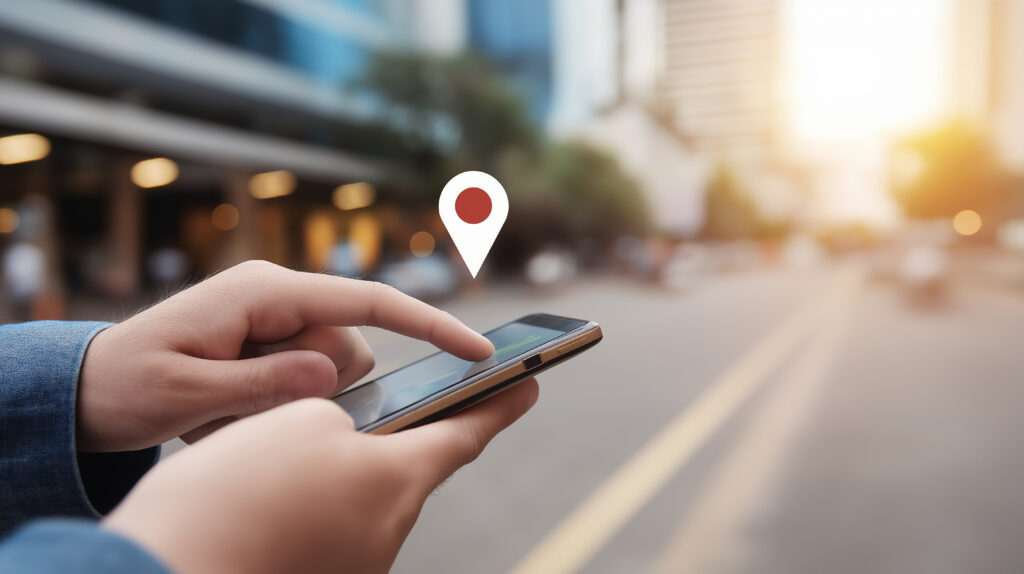
Mobile device finding location

In the latest installment of our Spec Steppin' series, we are diving into a cornerstone of mobile-first web development: the Geolocation API. For the modern scholar-practitioner, understanding how to programmatically bridge the gap between digital interface and physical location is essential for building responsive, site-specific architectures.

The Technical Guardrail: Secure Contexts Only

As per the MDN specifications reviewed during our internal audit, the Geolocation API operates under a strict Secure Context (HTTPS) requirement. In an era of heightened digital hygiene, this protocol ensures that sensitive location data is only handled over encrypted channels. Whether you are plotting coordinates on a map or delivering localized technical support, the "Technical Guardian" approach requires verifying your SSL integrity before deployment.

Permission-Based Execution

The API is designed with privacy-first logic. Access is granted via navigator.geolocation, which triggers a mandatory browser prompt. For our Hess WebTech implementations, we rely on the getCurrentPosition method to retrieve a one-time snapshot of the user's latitude and longitude.

Modern Code for Modern Stacks

Our current demo (featured in the video recording below) utilizes concise ES6+ arrow functions and object destructuring for surgical clarity. By avoiding deprecated globals like window.status in favor of dedicated DOM-bound status messages, we maintain a clean, forensic-grade codebase that stands up to standard audit cycles. Key takeaways for your next build:


				
					<!DOCTYPE html>
<html lang="en">

<head>
    <meta charset="UTF-8">
    <meta name="viewport" content="width=device-width, initial-scale=1.0">
    <title>Geolocation API Demo</title>
    <link href="style.css" rel="stylesheet" />
    <script src="geolocation_API.js" defer></script>
</head>
    
<body>
    <div class="wrap">
        <h2>Geolocation API Quick Demo</h2>
        <button id="find-me">Show My Location</button><br />
        
        <p id="status"></p>
        <div id="location-info"></div>
    </div>
</body>

</html>


					body {
    font-family: sans-serif;
    padding: 20px;
    line-height: 1.6;
}

#status {
    font-weight: bold;
    margin-bottom: 10px;
}

.coord {
    color: #2c3e50;
    font-family: monospace;
}


					const statusMessage = document.querySelector('#status-message');
const locationInfo = document.querySelector('#location-info');

const geoFindMe = () => {
	locationInfo.textContent = '';

	if (!navigator.geolocation) {
		statusMessage.textContent = 'Geolocation is not supported by your browser';
		return;
	}

	statusMessage.textContent = 'Locating…';

	const options = {
		enableHighAccuracy: true,
		timeout: 5000,
		maximumAge: 0
	};

	navigator.geolocation.getCurrentPosition(success, error, options);
};

const success = (position) => {
	const { latitude, longitude } = position.coords;

	statusMessage.textContent = 'Location found:';

	// Clear previous content securely
	while (locationInfo.firstChild) {
		locationInfo.removeChild(locationInfo.firstChild);
	}

	// Create elements individually
	const latPara = document.createElement('p');
	latPara.textContent = 'Latitude: ';
	const latSpan = document.createElement('span');
	latSpan.className = 'coord';
	latSpan.textContent = `${latitude}°`;
	latPara.appendChild(latSpan);

	const lonPara = document.createElement('p');
	lonPara.textContent = 'Longitude: ';
	const lonSpan = document.createElement('span');
	lonSpan.className = 'coord';
	lonSpan.textContent = `${longitude}°`;
	lonPara.appendChild(lonSpan);

	const mapLink = document.createElement('p');
	const anchor = document.createElement('a');
	anchor.href = `https://www.openstreetmap.org/#map=18/${latitude}/${longitude}`;
	anchor.target = '_blank';
	anchor.textContent = 'View on OpenStreetMap';
	mapLink.appendChild(anchor);

	// Append everything to the container
	locationInfo.append(latPara, lonPara, mapLink);
};

const error = (err) => {
	statusMessage.textContent = `Error (${err.code}): ${err.message}`;
};

document.querySelector('#find-me').addEventListener('click', geoFindMe);


more posts:
Digital software technology development concept. Coder programmer, software engineer coding computer language, javascript on laptop computer
Code

An overview of the Fullscreen API

The Fullscreen API lets you display a specific element (and its descendants) in true fullscreen and then return to windowed mode. Learn the key methods, state checks, events, permissions considerations, and UX best practices for building focused video, game, and presentation experiences.

Discover More »