Understanding Respect in Scrum
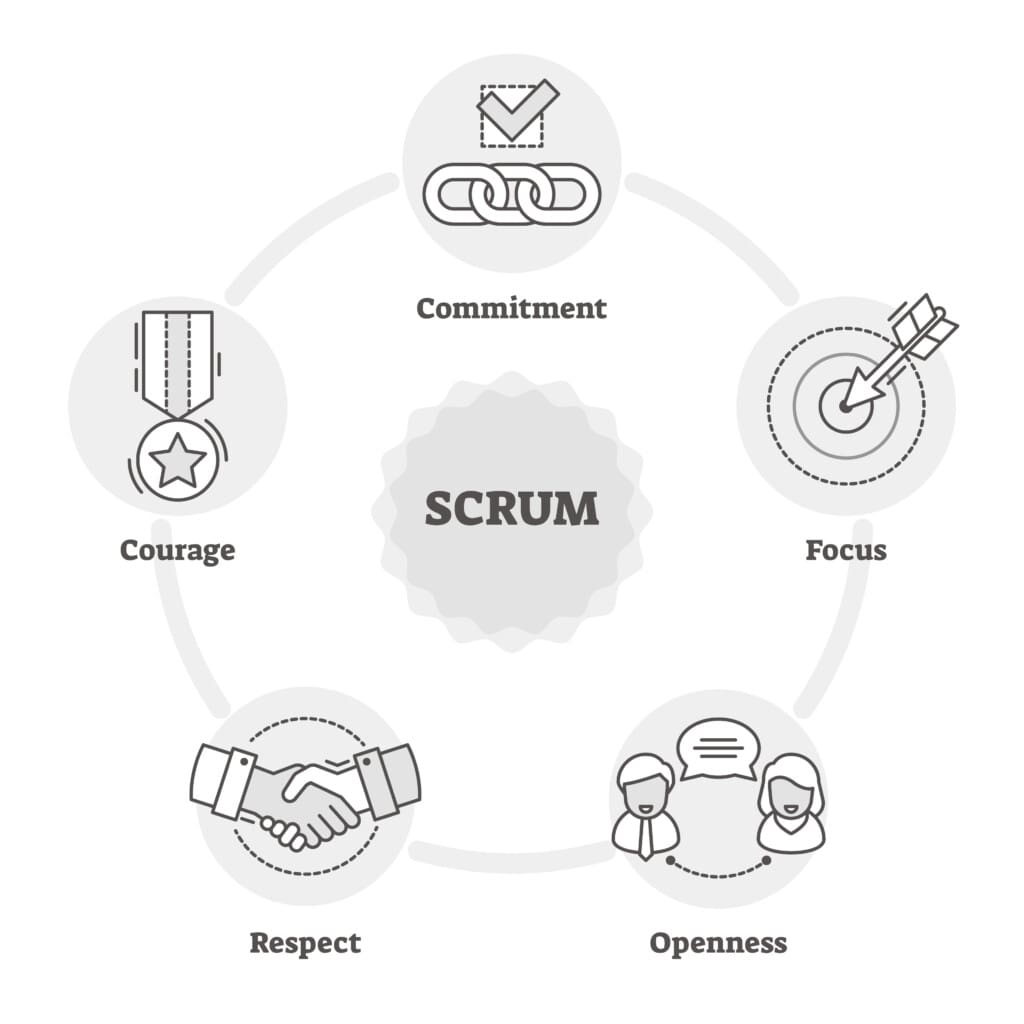
Respect, as a value in Scrum, goes beyond mere professional courtesy. It encompasses an attitude of appreciation, empathy, and recognition for the unique contributions of individuals within a team. This value acknowledges that every member of the team brings their own skills, knowledge, and experiences to the table, and that their perspectives are valuable assets in driving the project towards success.
Respect for Individuals
Respect in Scrum starts with recognizing and appreciating the individuality of team members. Each person is seen as a valuable contributor, and their opinions and ideas are given equal weight. This creates an environment where everyone feels safe to express themselves and contribute to the decision-making process. Respectful interactions empower team members to speak up, share their concerns, and offer suggestions, fostering a culture of open communication and collaboration.
Respect for Diversity
Scrum teams are often composed of individuals from diverse backgrounds, with different skills, cultural perspectives, and personalities. Respect plays a crucial role in embracing and leveraging this diversity. By acknowledging and valuing the differences in team members, Scrum teams can tap into a wealth of varied viewpoints, which often leads to more innovative and creative solutions. Respect for diversity fosters an inclusive environment where every team member feels valued and can thrive, and it contributes to the overall success of the project.
Respect for Self-Organization
In Scrum, teams are self-organizing, meaning they have the autonomy to determine how they will accomplish their goals. Respect is an essential element in empowering teams to make decisions and take ownership of their work. It involves trusting team members to make the best choices and allowing them the freedom to experiment and learn from their experiences. When individuals feel respected and trusted, they are more likely to take responsibility for their actions and strive for excellence.
Respect for the Process
Respect in Scrum extends beyond individuals and encompasses the process itself. Team members respect the Scrum framework and its principles by adhering to its guidelines, rituals, and timeboxes. This includes attending meetings, honoring commitments, and maintaining transparency. When individuals respect the process, it creates a sense of discipline and predictability, enabling the team to work efficiently and achieve their goals.
Fostering Respect within Scrum Teams
Building and nurturing a culture of respect within Scrum teams requires intentional effort from all team members, including the Scrum Master and the Product Owner. Here are a few practices that can help foster respect.
Active Listening
Encourage team members to actively listen to one another without interruption, seeking to understand different perspectives and ideas.
Empathy
Encourage empathy by putting oneself in others' shoes and considering their viewpoints and feelings.
Open Communication
Promote an environment where individuals feel safe to express their thoughts, concerns, and ideas openly and honestly.
Appreciation and Recognition
Regularly acknowledge and appreciate the efforts and contributions of team members, both individually and collectively.
Constructive Feedback
Provide feedback in a respectful and constructive manner, focusing on improvement rather than blame.
Respect is not just a buzzword in Scrum; it is a fundamental value that underpins the collaboration, trust, and effectiveness of teams. By fostering an environment of respect, Scrum teams create a space where each individual can thrive, contribute their best work, and collectively achieve their goals. As we strive to embrace the values of Scrum, let us always remember that respect is the cornerstone that supports the success of Agile endeavors.