
The Five Values of Scrum: Building the Foundation for Agile Success

The five values of Scrum form the bedrock of a successful and collaborative team. In this blog post, we will explore these values and understand how they contribute to the effectiveness of Scrum.
Unveiling the Power of Minimum Viable Product (MVP) in Scrum
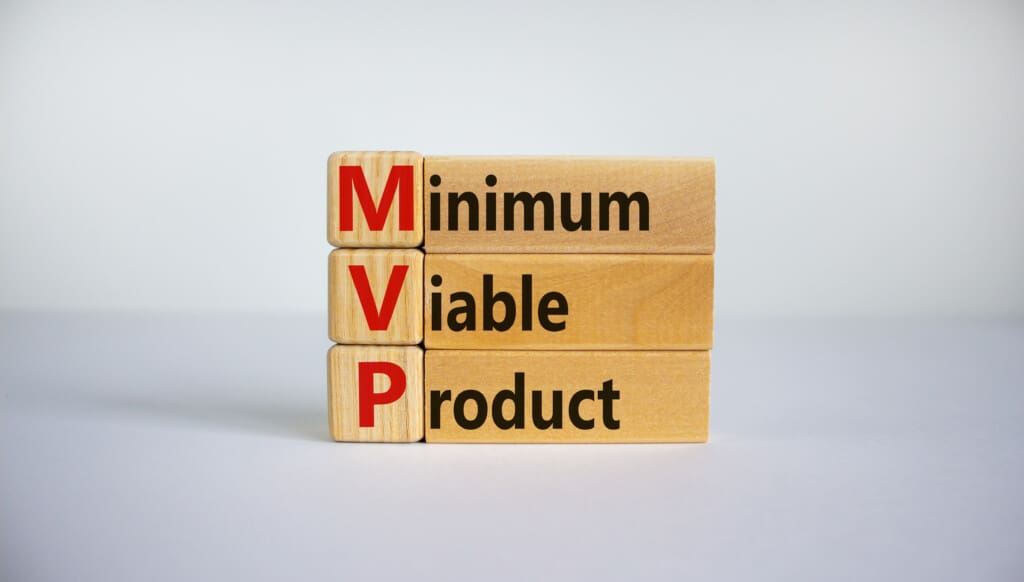
At the heart of Scrum lies the concept of the Minimum Viable Product (MVP), a powerful tool that helps teams prioritize, validate, and iterate on product ideas. In this blog post, we will delve into the essence of MVP in Scrum and explore how it contributes to the success of product development.
Understanding the Definition of Done: A Key to Successful Project Completion

In the world of agile project management, the term “Definition of Done” holds significant importance. It serves as a vital guideline in ensuring that projects are completed to the highest standards, meeting all the necessary requirements and goals. In this blog post, we will delve into the definition of done, its importance, and how it contributes to successful project completion.
Unleashing the Power of Scrum Sprint Retrospectives

At the heart of Scrum lies the concept of Sprint retrospectives, a crucial ceremony that enables teams to reflect on their processes, identify areas for improvement, and foster continuous growth. In this blog post, we will dive into the significance of Scrum Sprint retrospectives and explore how they can unlock the true potential of your Agile development team.
Maximizing Collaboration and Efficiency: The Power of Stand-Ups in Scrum
One of the key rituals in Scrum is the daily stand-up, also known as the daily scrum. It is a short, time-boxed meeting that brings the development team together to synchronize their efforts, share progress, and identify and address any impediments. In this blog post, we will explore the importance of stand-ups in Scrum and how they contribute to enhanced collaboration and efficiency within the team.
Swim Lanes in Agile Scrum: Enhancing Team Collaboration and Efficiency

Within the Scrum framework, swim lanes provide a visual representation of work allocation and progress tracking. In this blog post, we’ll explore the concept of swim lanes in Agile Scrum, their benefits, and how they contribute to enhancing team collaboration and efficiency.
Planning Poker and the Fibonacci Sequence: Unleashing the Power of User Stories in Scrum

One of the essential aspects of Scrum is the use of user stories for effective communication between the development team and stakeholders. Planning Poker, coupled with the Fibonacci sequence, offers a powerful technique to estimate user stories accurately. In this blog post, we will explore the significance of Planning Poker and the Fibonacci sequence in Scrum, highlighting their role in enhancing the estimation process.
Demystifying Scrum User Stories Confirmation: Ensuring Quality and Collaboration

One of the key elements of Scrum is the use of user stories to define the requirements of a system or feature from the perspective of the end user. As teams work through the product backlog, it becomes crucial to confirm the user stories to ensure they meet the desired criteria and are ready for development. In this blog post, we’ll explore the concept of Scrum user stories confirmation and its significance in delivering high-quality products.
The Power of Conversations in Scrum User Stories

At the heart of Scrum lies the concept of user stories, which serve as a means of capturing requirements from the perspective of end-users. However, the true power of user stories lies not just in their written form but also in the conversations that take place around them. In this blog post, we will explore the significance of conversations in Scrum user stories and how they contribute to the success of Agile projects.
The Indispensable Role of Cards in User Stories in Scrum
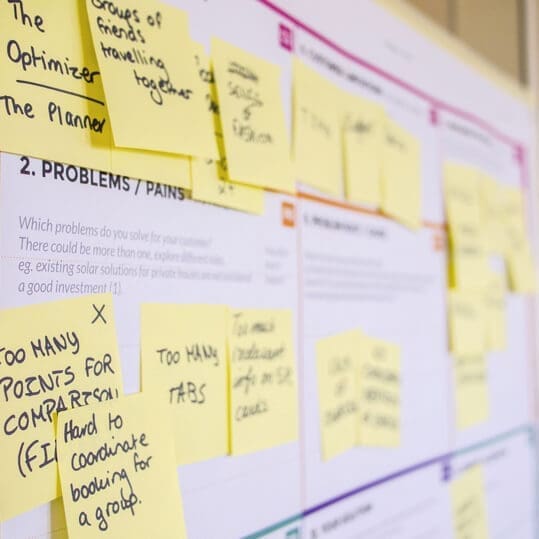
One of the fundamental elements in Scrum is the user story, which captures the requirements or desired features from the user’s perspective. User stories are often represented using cards, physical or virtual, that play a crucial role in facilitating collaboration, communication, and visualizing progress within Scrum teams. In this blog post, we will explore the significance of cards in user stories and how they contribute to the success of Scrum projects.